20 Aug 2026
Video Encoding Breakthroughs Paving the Way for Immersive Remote Dealer Sessions in Low-Bandwidth Environments
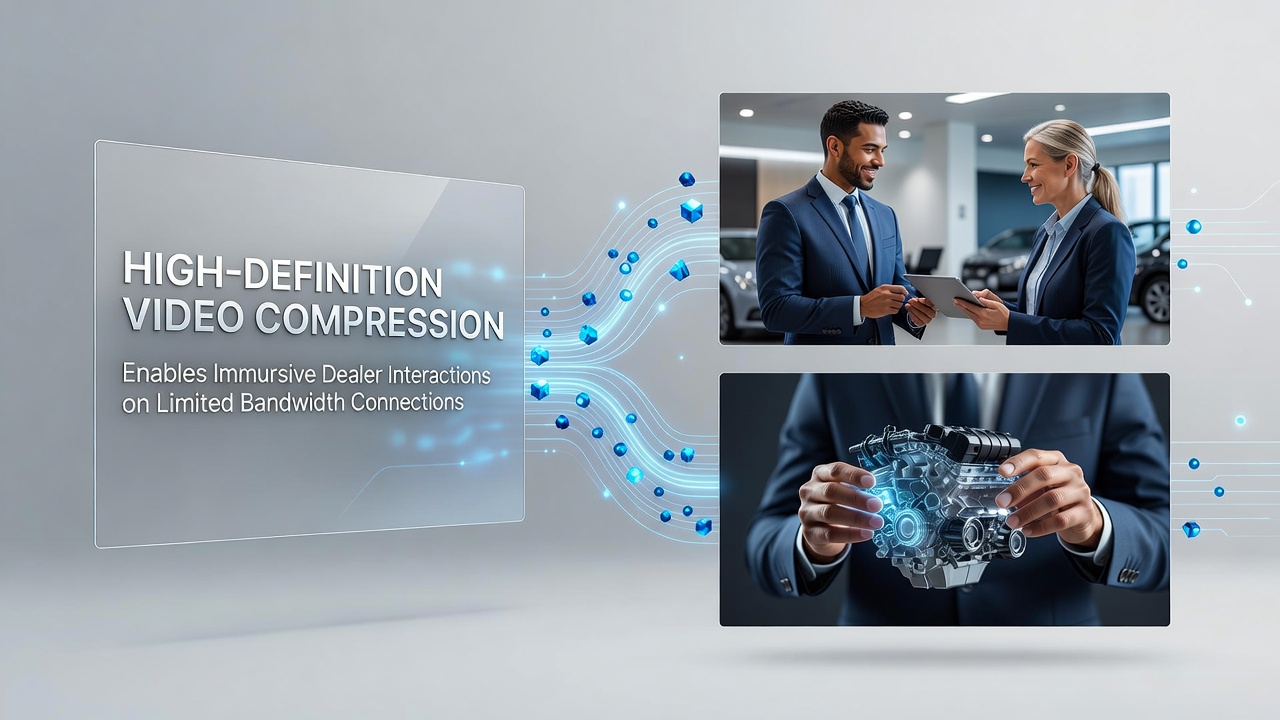
High-definition video compression has become central to maintaining fluid dealer interactions in environments where network capacity remains constrained, and data from industry reports indicate that operators now rely on advanced codecs to sustain 1080p streams at bitrates under 3 Mbps. Researchers at various institutions have documented how standards such as H.265/HEVC and AV1 achieve substantial reductions in required bandwidth while preserving visual detail necessary for reading card movements and facial expressions during live sessions.
Studies conducted through 2025 and into August 2026 show consistent patterns where adaptive bitrate techniques adjust quality dynamically based on real-time network feedback, which prevents buffering during dealer shuffles or player decisions. These systems employ motion compensation algorithms that predict changes between frames, thereby transmitting only differential data rather than full images each time.
Core Mechanisms Behind Bandwidth Reduction
Observers note that temporal and spatial compression work in tandem, with intra-frame coding handling static backgrounds while inter-frame prediction tracks moving elements like dealer hands and chips. Data indicates HEVC delivers roughly 50 percent lower bitrate requirements compared to its predecessor H.264 for equivalent quality levels, according to specifications published by the ITU Telecommunication Standardization Sector. This efficiency proves particularly relevant in regions where average mobile download speeds hover around 10-15 Mbps during peak hours.
Additional techniques include chroma subsampling and quantization parameter adjustments that prioritize luminance over color information in less critical areas of the frame. Engineers have implemented these approaches across platforms to support dealer feeds without exceeding data caps common on many consumer plans.
Integration with Adaptive Streaming Protocols
Live dealer platforms incorporate protocols such as HLS and DASH that segment video into short chunks and serve variants at multiple resolutions. Figures from network monitoring services reveal that such segmentation allows seamless switches between quality tiers when bandwidth fluctuates, maintaining interaction continuity for users on variable connections. In practice this means a dealer interaction can begin at 720p and scale to full HD if conditions improve, or drop gracefully without interrupting gameplay flow.
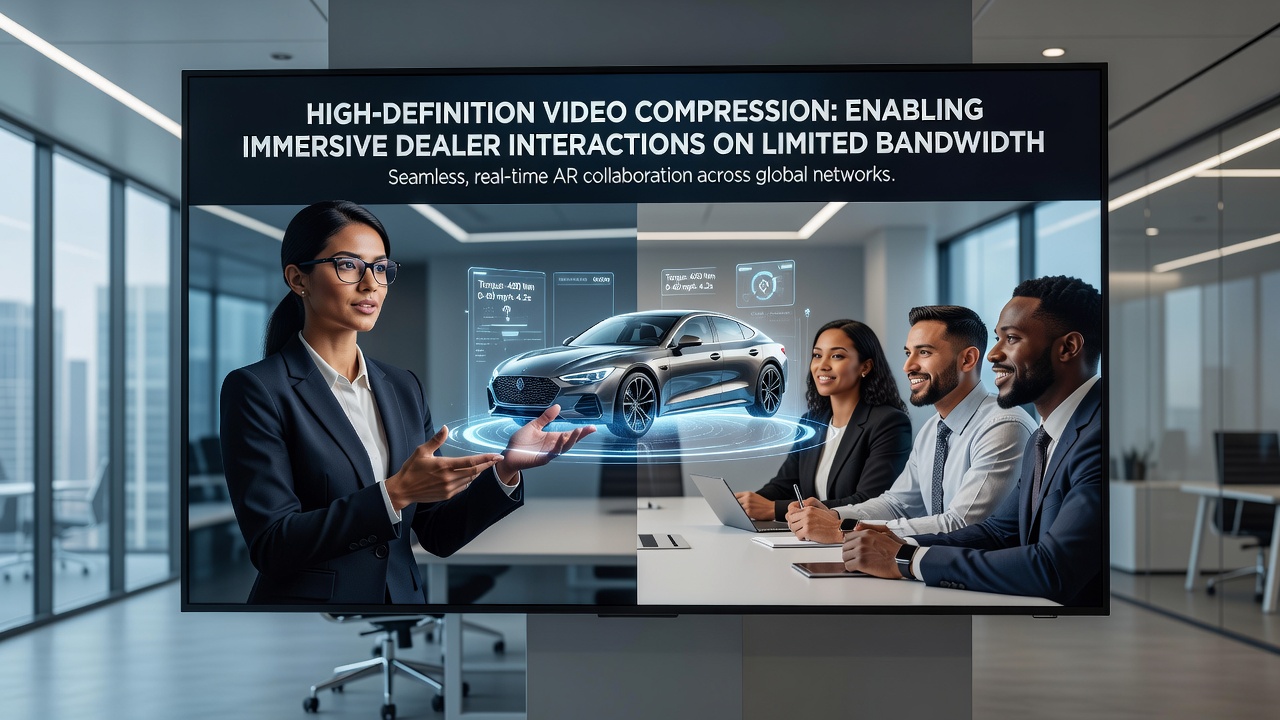
Those who've analyzed traffic logs across multiple markets find that latency stays below 200 milliseconds when combined with edge server distribution and efficient encoding pipelines. Academic papers from communications departments highlight how these setups leverage GPU-accelerated encoding to reduce processing delays at the source.
Regional Performance Data and Standards Evolution
Reports issued by the Australian Communications and Media Authority document how compression advancements have supported growth in real-time video applications even in areas with limited fixed-line infrastructure. Similar observations appear in analyses from Canadian regulatory bodies and European research consortia focused on broadband utilization. By August 2026 newer implementations of AV1 had begun demonstrating further gains, with test deployments achieving stable 1080p delivery at under 2 Mbps in controlled trials.
Industry organizations such as the IEEE continue to publish updates on emerging codecs that address both bandwidth constraints and computational overhead on end-user devices. These developments enable operators to deliver consistent dealer visibility without requiring users to maintain premium data subscriptions.
Challenges in Maintaining Immersion Under Constraints
Even with sophisticated encoding, artifacts can appear during rapid motion sequences such as card flips or chip stacks being moved. Developers mitigate this through scene-adaptive encoding that allocates higher bitrates to areas of high complexity while conserving resources elsewhere. Evidence from field tests indicates that viewer perception of dealer professionalism remains intact when frame rates hold above 30 fps and key visual cues stay sharp.
Security considerations also factor into compression pipelines, where encrypted transport layers combine with compressed streams to protect transaction details and session integrity without adding measurable overhead.
Conclusion
Compression technologies continue evolving to balance image fidelity against transmission limits, and data compiled through mid-2026 confirms their role in sustaining immersive dealer interactions across diverse network conditions. As standards advance, operators gain flexibility to reach wider audiences while preserving the visual clarity essential for authentic live experiences.