21 Nov 2026
Layers of Protection: How Advanced Security Measures Foster Reliability in Britain's Smartphone Gambling Services

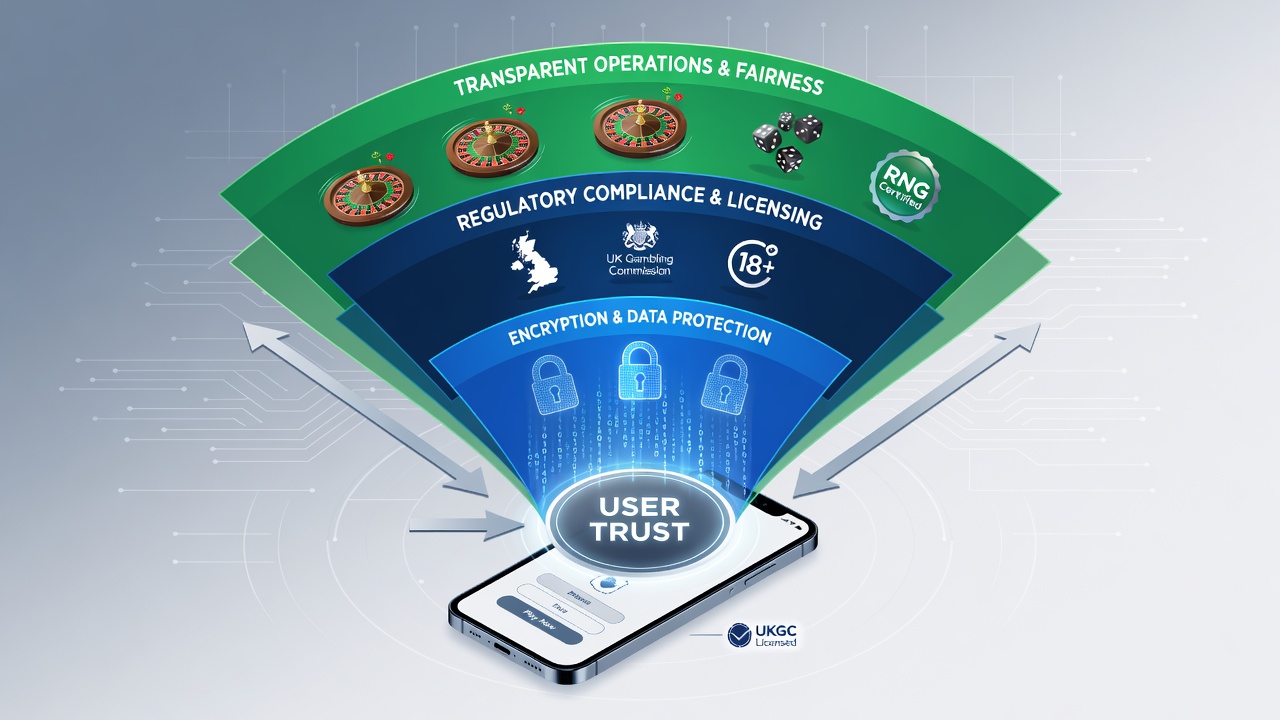
Security frameworks in Britain's app-based gambling platforms rely on multiple overlapping layers that address data encryption, user verification, and transaction integrity, and these components work together to maintain consistent access standards across iOS and Android environments. Observers note that platform operators implement Transport Layer Security protocols alongside device-specific authentication routines, which combine to create barriers against unauthorized entry while supporting seamless session management for verified users.
Encryption Standards and Data Transmission Protocols
Encryption forms the foundation of these systems, with AES-256 algorithms protecting stored user information and TLS 1.3 securing all data exchanges between devices and central servers. Research from the National Institute of Standards and Technology indicates that such standards reduce interception risks during live betting sessions, and developers integrate these measures into app architectures to handle high-volume traffic without compromising response times. Those who've examined platform codebases often find that end-to-end encryption extends to payment details and session logs, creating auditable trails that align with broader data protection requirements across European jurisdictions.
Multi-Factor Authentication and Biometric Integration
Authentication layers add further depth through combinations of passwords, one-time codes, and biometric checks such as fingerprint or facial recognition, and these methods appear in most major UK-facing applications to confirm user identity at login and during high-value actions. Studies conducted by academic teams at institutions like the University of Toronto reveal that biometric adoption correlates with lower rates of account takeover attempts, while the addition of behavioral analytics monitors patterns like swipe speed and location consistency to flag anomalies in real time. People who manage multiple accounts across devices discover that these layered checks allow continued play after brief interruptions, provided the system recognizes the established pattern from prior verified sessions.
Compliance Mechanisms and Third-Party Audits
Independent testing bodies conduct regular evaluations of these security implementations, with reports from organizations such as eCOGRA detailing compliance with international benchmarks that extend beyond basic regulatory minimums. Data compiled in November 2026 from cross-border analyses shows that platforms incorporating routine penetration testing and vulnerability disclosures experience measurable reductions in breach incidents compared to those relying solely on internal reviews. And external frameworks like the General Data Protection Regulation influence how operators handle user consent and data minimization, even as UK-specific adaptations continue to evolve alongside similar standards in Australia and Canada.
Transaction monitoring systems form another critical layer, where algorithms scan for irregular betting patterns or rapid fund movements that might indicate compromise. Industry reports from the Canadian Gaming Association highlight how machine learning models trained on anonymized datasets improve detection accuracy over time, allowing platforms to pause suspicious activity while notifying users through secure channels. Those responsible for platform maintenance emphasize that these automated safeguards operate alongside manual review processes, ensuring human oversight remains available for edge cases that automated flags cannot fully resolve.
Device-Level Safeguards and Network Resilience
App developers also embed protections at the device level, including certificate pinning that prevents man-in-the-middle attacks on public Wi-Fi networks and secure enclave storage for sensitive keys on compatible hardware. Figures released by the Australian Communications and Media Authority demonstrate that such features contribute to higher retention rates among users who prioritize privacy controls, particularly when apps request minimal permissions during installation. Observers note that resilience testing against distributed denial-of-service events has become standard practice, with redundant server infrastructure maintaining uptime during peak periods such as major sporting events.
Updates to these security layers occur on scheduled cycles, often incorporating patches for newly identified threats within weeks of disclosure. Research papers published through university consortia indicate that transparent update logs and clear user notifications about changes help sustain long-term engagement, as participants receive confirmation that their data protections remain current without needing to navigate complex technical details.
Conclusion
Collectively these measures create an interconnected system where each layer reinforces the others, and platform operators continue to refine them in response to emerging threats and technological shifts. Evidence from multiple regulatory and research sources confirms that consistent application of these protocols supports sustained user participation across Britain's mobile gambling sector through the end of 2026 and beyond.