24 Oct 2026
Biometric Verification Layers Enhance Security Protocols at Britain's Licensed Casino Platforms

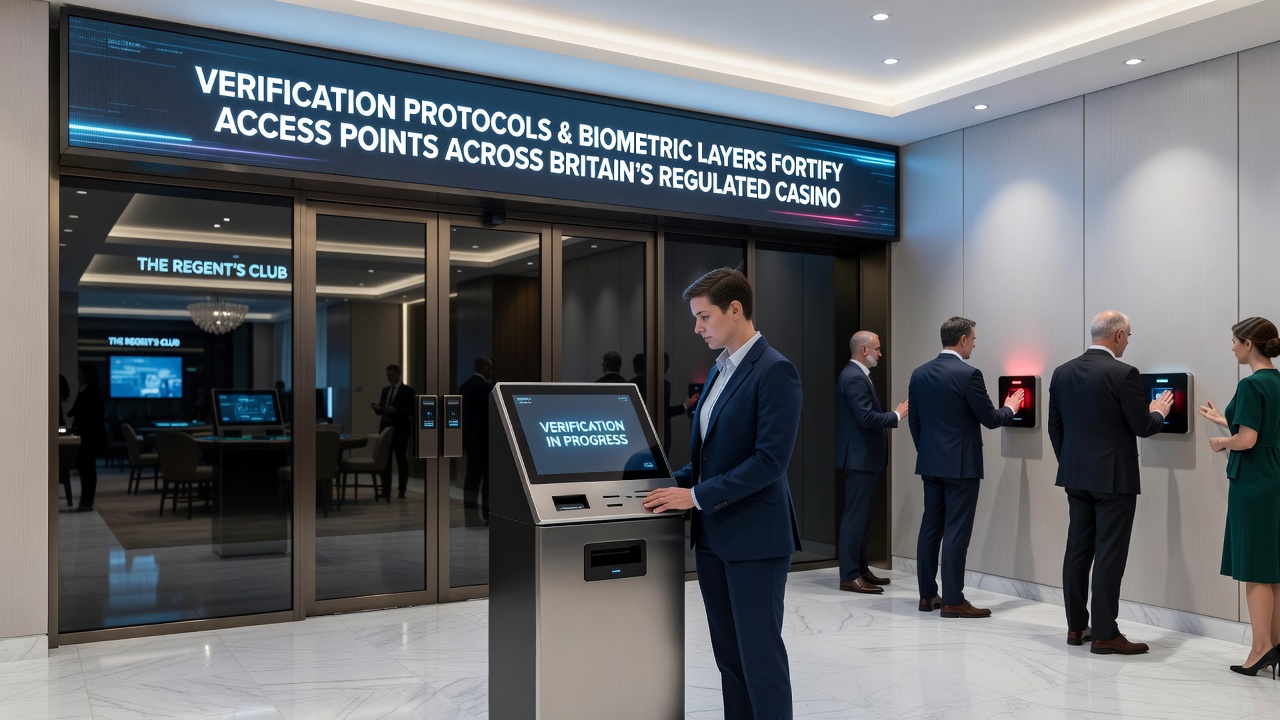
Verification protocols and biometric layers now form the backbone of access controls across Britain's regulated casino platforms, where operators integrate multi-stage identity checks with fingerprint, facial recognition and voice authentication systems. These measures address regulatory demands for age verification and fraud prevention while streamlining entry for verified users, and data from industry reports shows adoption rates climbing steadily through 2026.
Operators deploy initial document uploads paired with live biometric scans during account creation, a process that cross-references government-issued IDs against facial geometry captured in real time. According to NIST biometric standards documentation, such combined approaches reduce false acceptance rates below 0.1 percent when facial and fingerprint data merge into a single profile, a threshold many UK platforms now target for compliance.
Core Components of Modern Verification Protocols
Standard protocols begin with know-your-customer routines that require proof of identity, address and age before any gameplay access opens, yet the addition of biometric layers adds an extra gate that ties the verified identity to the physical user. Platforms activate these checks at login, deposit and withdrawal stages, creating continuous authentication points rather than one-time hurdles.
Researchers at European gaming technology centers have documented how voice biometrics supplement facial scans during customer support calls, matching vocal patterns against stored templates to confirm account ownership without additional PIN entry. This layered approach proves especially useful on mobile applications where users switch devices frequently yet maintain session continuity through persistent biometric profiles.
Biometric Integration Across Regulated Platforms
Facial recognition systems analyze 3D depth maps from device cameras to distinguish live faces from photographs or masks, while fingerprint sensors on smartphones provide secondary confirmation within milliseconds. Platforms schedule routine re-verification prompts every 90 days or after detected location changes, ensuring profiles stay current amid evolving regulatory expectations.
By October 2026 several operators reported expanded use of palm-vein scanning at land-based terminals linked to online accounts, creating unified profiles that track activity across channels. Studies from academic institutions in Australia indicate these multi-modal systems cut account takeover incidents by over 60 percent compared to password-only setups, figures that align with observed trends in British markets.
Regulatory Alignment and Technology Standards
Although the UK Gambling Commission sets core licensing rules, platforms also reference international benchmarks such as those from the International Association of Gaming Regulators to harmonize biometric data handling with privacy laws. Encryption standards protect stored templates, and operators must delete raw biometric data once hashed profiles are generated, a requirement that limits long-term storage risks.
One case study from a major operator revealed that introducing mandatory facial verification during high-value transactions dropped chargeback rates significantly within the first quarter of implementation. Observers note that similar rollouts across multiple sites have produced consistent patterns of improved security metrics without disrupting user flow when systems calibrate thresholds appropriately.
Challenges in Widespread Deployment
Technical hurdles include varying camera quality across consumer devices and the need for fallback procedures when biometric matches fail due to lighting or injury. Platforms address these through hybrid models that combine biometrics with one-time passcodes sent to registered devices, maintaining access while investigations proceed.
Training datasets for facial recognition algorithms have expanded to include diverse skin tones and age groups, following guidance from Canadian research bodies that emphasize inclusive design to minimize bias. Such updates help platforms achieve equitable performance across user demographics, a priority as biometric use scales through late 2026.
Future Outlook for Access Security
Industry associations continue to evaluate emerging methods like behavioral biometrics that monitor typing rhythms and swipe patterns as passive additional layers. These run in the background without user intervention, flagging anomalies for further checks only when deviations exceed preset parameters.
Evidence from multiple pilot programs suggests that integrated verification ecosystems will expand to include wearable device pairings, allowing heart-rate or gait data to contribute to ongoing authentication. Platforms that adopt these advances early position themselves to meet tightening standards while preserving seamless experiences for verified players.
Conclusion
Verification protocols fortified by biometric layers continue to redefine access security at Britain's regulated casino platforms through precise identity matching and real-time confirmation mechanisms. Data and case examples demonstrate measurable reductions in fraud alongside maintained usability, and ongoing refinements through October 2026 point toward even more sophisticated multi-factor systems ahead.